
Pena Phamshak — Seated Epic Recitation
Pena Phamshak is one of the most intellectually revered and artistically demanding oral traditions of the Meitei civilization, synthesizing dramatic recitation, vocal melody, and the haunting acoustic resonance of the Pena.
The Seated Bard and the Living Epic
In traditional performance, the master bard (Pena Ashiba) sits ceremoniously in an upright posture, holding the slender bamboo shaft and coconut resonator of the Pena across the lap. With expressive facial gestures and fluid bowing, the performer narrates monumental episodes from Meitei mythology, dynastic wars, and tragic romances.
Chief among the repertoires of Pena Phamshak is the legendary Khamba-Thoibi Sheireng of Moirang. Over hours of continuous recitation, the performer switches vocal timbre to personify hero, princess, king, villain, and narrator—accompanied by rhythmic flourishes from the chiming bells attached to the bow.
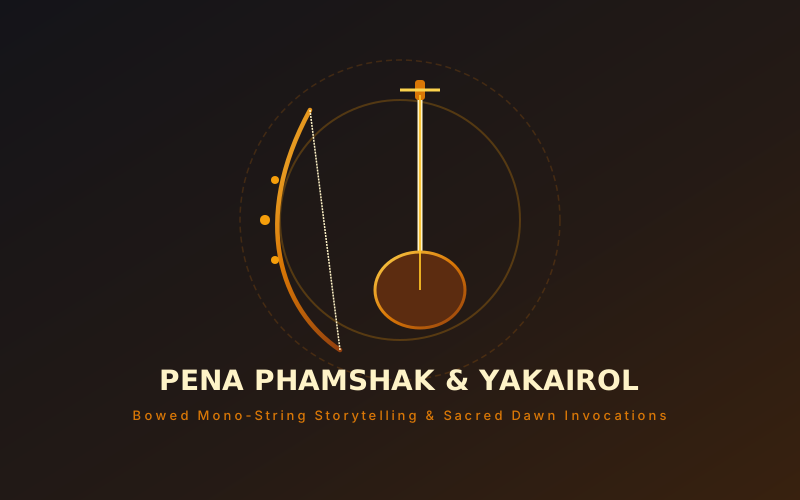
The Sacred Anatomy of the Pena Instrument
The Pena is a masterwork of indigenous acoustic engineering and organic materials.
1. Resonator (Maru)
Crafted from a carefully selected dried coconut shell cut in half, smoothed, and stretched with dried monitor lizard skin or animal membrane to project warm, haunting acoustic resonance.
2. Neck Shaft (Dhorr)
A slender, hollow cylindrical piece of seasoned bamboo fitted into the resonator, featuring an ornate wooden peg at the top for tuning the single horsehair or silk playing string.
3. Curved Bow (Cheijing)
An arched wooden or metal bow strung with horsehair, adorned with tiny musical brass bells (Choron) that chime in sync with the performer's rhythmic bowing hand.
Safeguarding an Endangered Epic Tradition
Because Pena Phamshak demands rigorous vocal training, deep command of archaic Meiteilon poetic idioms, and total mastery of the bowed instrument, master practitioners are becoming increasingly rare across both Manipur and the diaspora settlements in Bangladesh.
Eikhoigi Puwari records authentic full-length Pena Phamshak recitations, creating digital transcripts, translations, and archival recordings so that this monumental storytelling tradition is preserved in perpetuity.